Competitive Compass COMPETITIVECOMPASS
Competitive Compass
COMPETITIVECOMPASS
Issue No. 328
Tuesday, November 3, 2026·4 minute read

The Yes Nobody
Asks For.

84% of cardholders who ask for a lower rate get one. The best card offers this fall said yes before anyone asked.
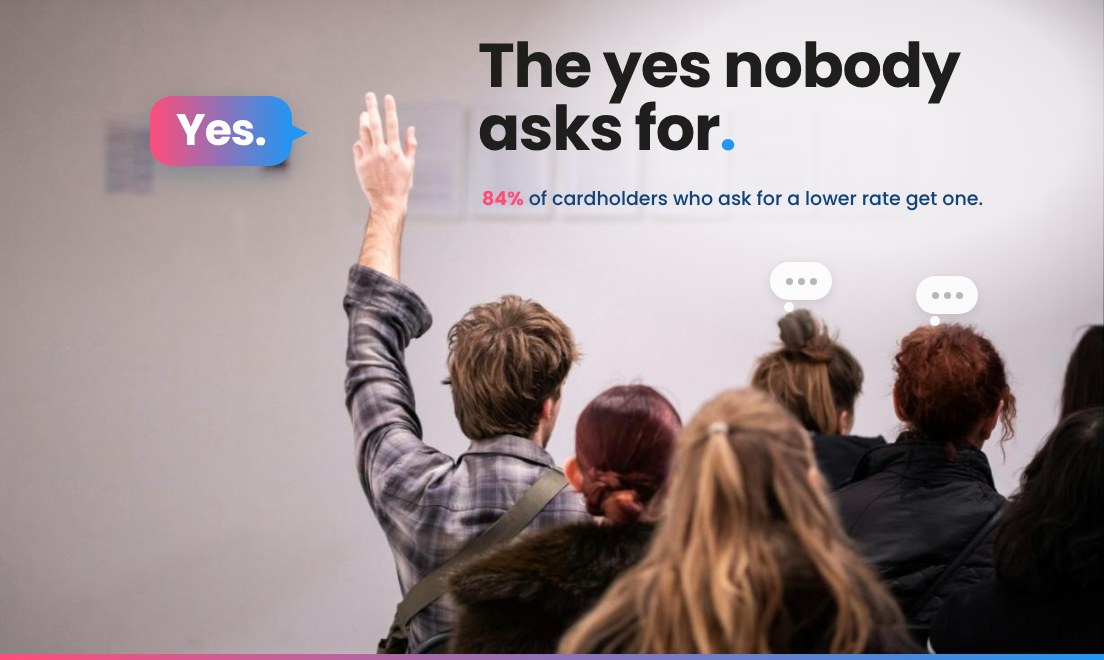
The back of a lecture audience. One man raises his hand, and a speech bubble beside it says Yes. Two people near him have small thought bubbles with dots. Beside them: The yes nobody asks for. 84% of cardholders who ask for a lower rate get one.
Behind the Playbook

Most cardholders who ask for a lower rate get one

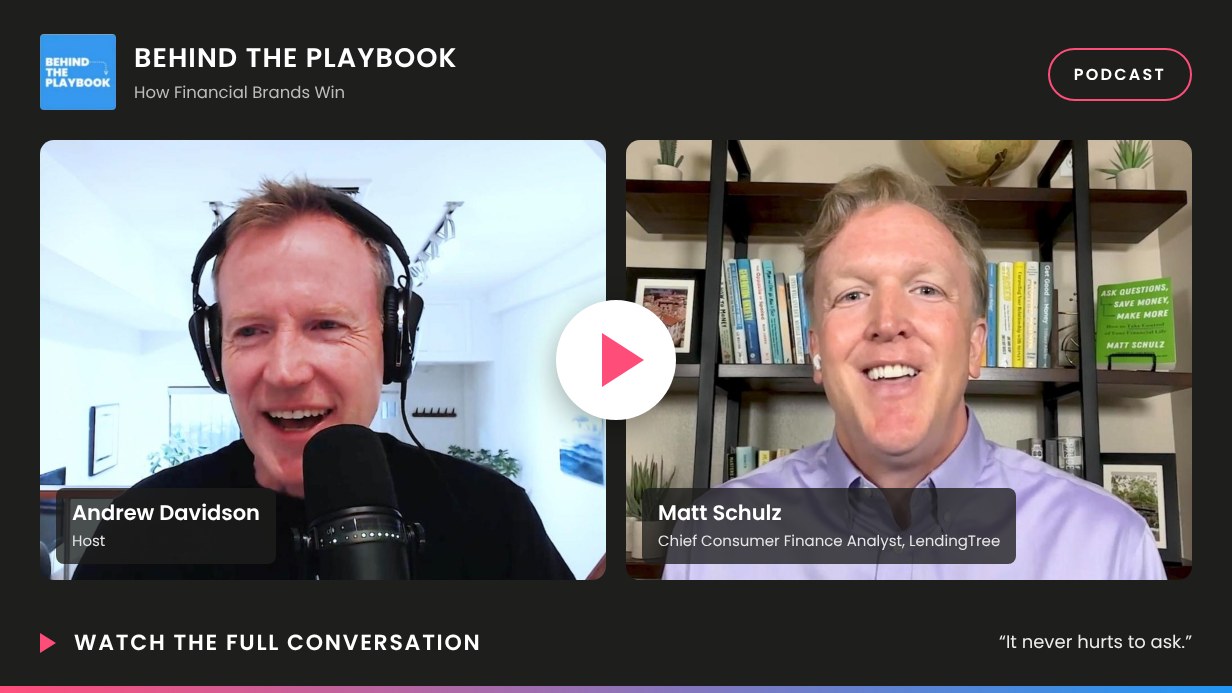
Behind the Playbook podcast. Andrew Davidson, host, and Matt Schulz, Chief Consumer Finance Analyst at LendingTree, both smiling. Watch the full conversation. It never hurts to ask.

My colleague Andrew Davidson asked Matt Schulz of LendingTree why he wrote a whole book about asking questions. Matt said one number stuns people every time he shares it on air.

“About 80% of people who ask for a lower interest rate on their credit card get one. But far too few people ever ask.”

LendingTree’s 2026 survey puts it even higher, the best result in the 6 years LendingTree has asked.

Fewer cardholders asked this year anyway.
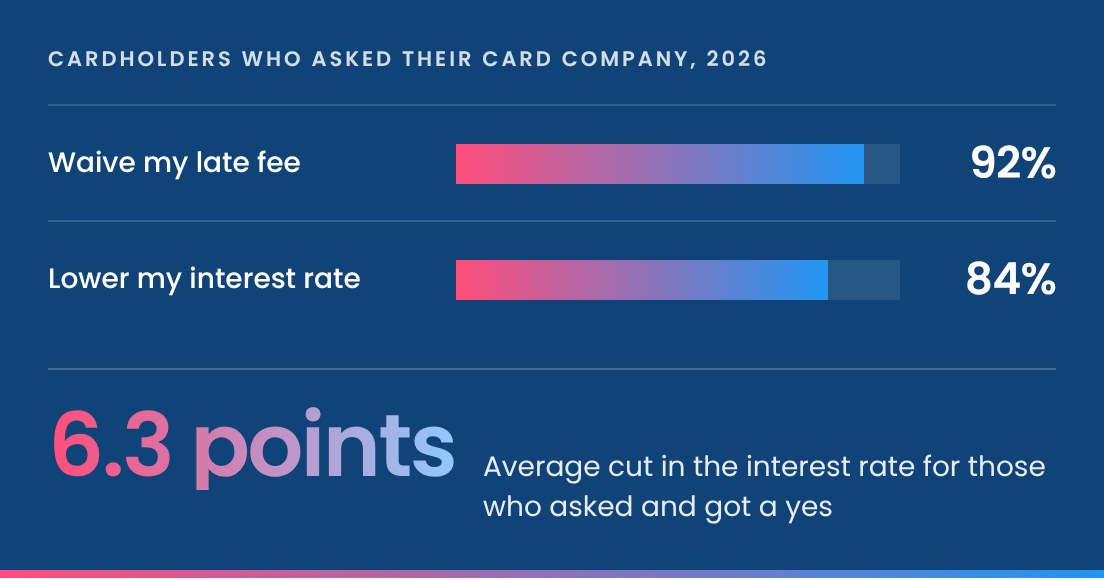
Exhibit 1Cardholders who asked their card company, 2026
Nearly every cardholder who asked got a yes
Cardholders who asked their card company in 2026. Waive my late fee: 92% got a yes. Lower my interest rate: 84% got a yes. The average rate cut for those who got a yes was 6.3 points.
Source: LendingTree cardholder survey, as reported September 3, 2026.

Matt’s explanation is human. A bank feels intimidating, so people worry they will “look like an idiot.” Plenty decide no before they dial.

My take

Approachable banks make asking take one tap

My recommendation for marketers at banks and credit unions: Treat that nervous customer as the brief. Every one of them wants to hear yes, and most of them stay quiet.

  • Put the ask in the app. A “Lower my rate” button and a “Waive this fee” button, right beside the balance. The customer asks in private, with zero nerves.
  • Offer the waiver first. When a good customer pays late for the first time, offer the waiver before they call. Matt’s bank did exactly that, and he told the story on Andrew’s podcast.
  • Tell customers what they can ask for. Put it in plain words on the website, in the welcome email, and on the statement.
  • Sound like a person. Wells Fargo’s “We want you to have our lowest possible introductory rate” sounds like a banker across a desk. Write every offer that way.

An approachable bank answers the question before the customer finds the courage to ask it.

The takeaway

Customers turn themselves down before the bank can say yes. The best offers say yes first.

In This Edition
01
Most people who ask hear yes
02
Secured cards answer approval first
03
Mailers answer the rate question
04
The bank that asks first
05
Our 2027 trends webinar, November 12
Innovations in Secured Card Marketing

41% of adults with low credit scores and no card count themselves out

The same habit shows up at the application. Patrick Rahlfs’ new report, Innovations in Secured Card Marketing, asked US adults with no credit card why they have none.

20% believe they would be turned down. For people who rate their own credit score at 619 or below, it is 41%.
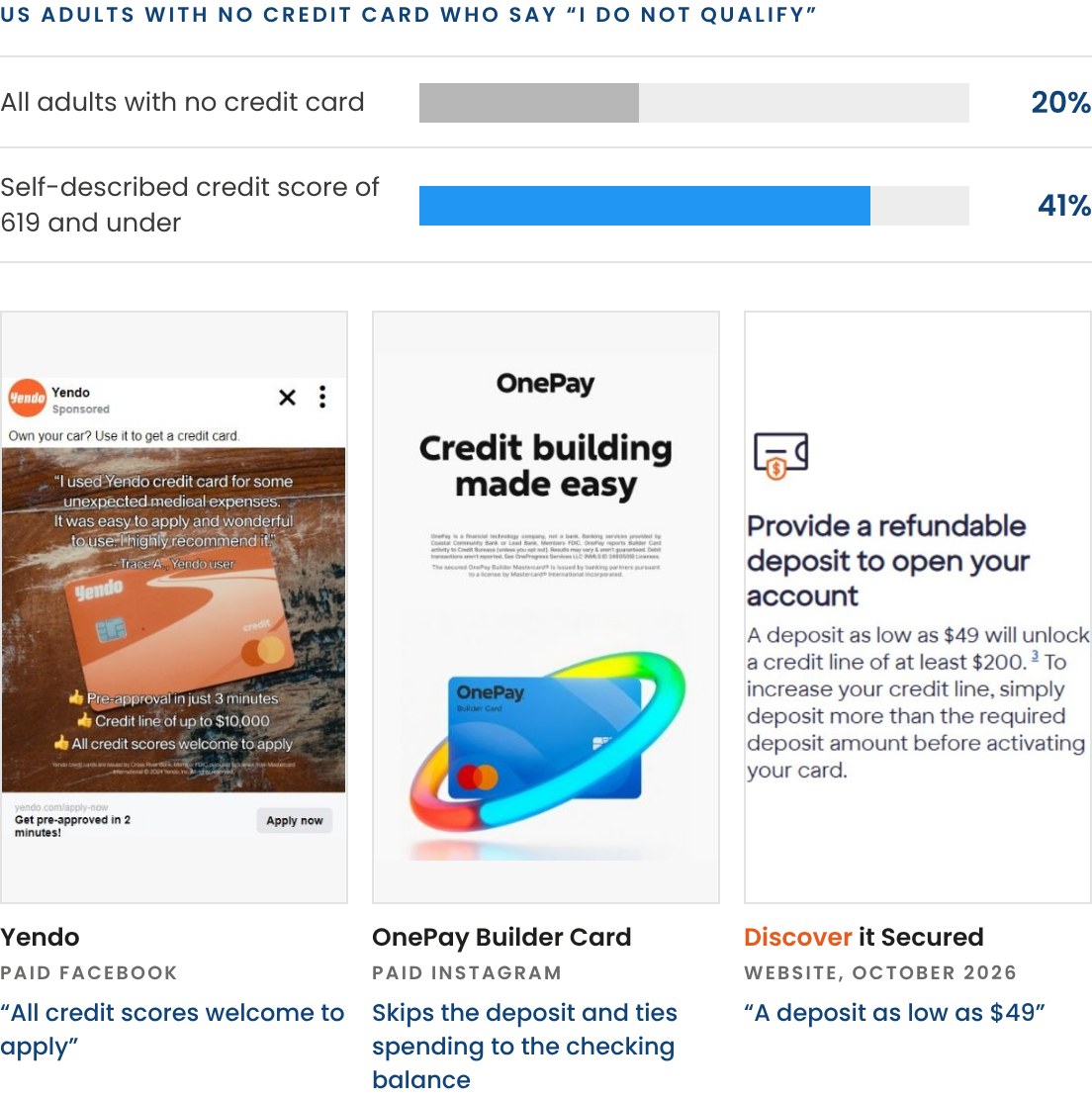
Exhibit 2Adults with no credit card, and the ads written for them
Adults with low scores expect a no at twice the overall rate
US adults with no credit card who say I do not qualify: 20% of all, 41% of those with a self-described credit score of 619 and under. Below, 3 ads. Yendo on Facebook: All credit scores welcome to apply. OnePay Builder Card on Instagram: Credit building made easy, with no deposit and spending tied to the checking balance. Discover it Secured website: A deposit as low as $49.
Source: Innovations in Secured Card Marketing, Patrick Rahlfs. Base: 578 US internet users aged 18+ with no credit card, 2026. Ads from Comperemedia Omni, January to September 2026, and the Discover website.

Fintechs now answer the approval question in the first line of the ad. Yendo lets people secure a card with the value of their car, and its ads say “All credit scores welcome to apply.” OnePay, the Walmart fintech, launched a Builder Card that skips the deposit and the credit check.

Discover relaunched its secured card in October with a deposit as low as $49. Patrick sees secured cards becoming a destination in their own right.

Q3 2026 Credit Card Application Report

3 big issuers led their offers with a 21-month break from interest

The rate question is the one cardholders hesitate to ask. Marisa Frys’ Q3 2026 Credit Card Application Report shows the biggest campaigns answering it in advance.
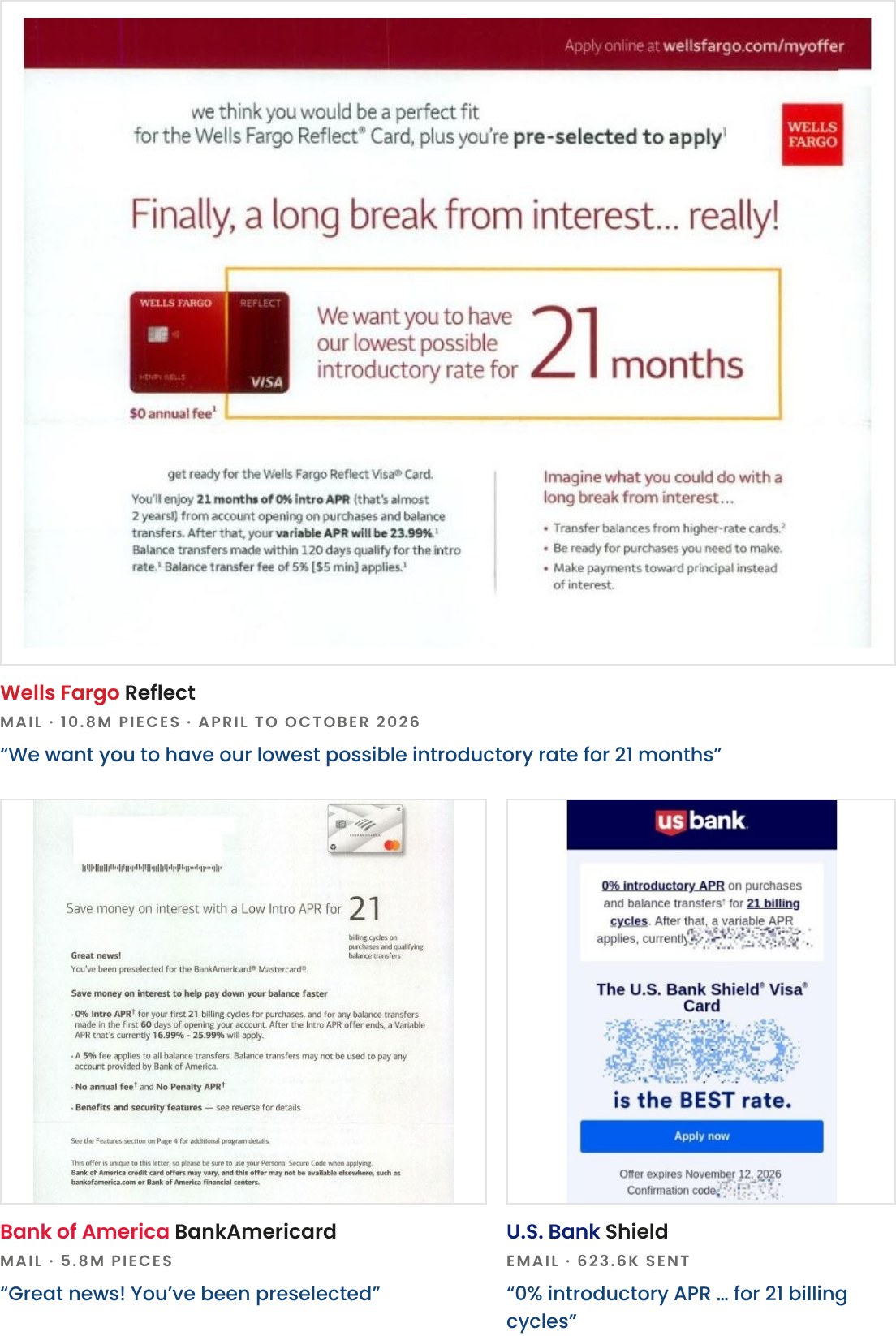
Exhibit 3Card offers in mail and email, 2026
Wells Fargo mailed 10.8 million offers promising its lowest possible intro rate
3 card offers. Wells Fargo Reflect mail, 10.8 million pieces, April to October 2026: We think you would be a perfect fit, plus you are pre-selected to apply. Finally, a long break from interest, really. We want you to have our lowest possible introductory rate for 21 months. Bank of America BankAmericard mail, 5.8 million pieces: Great news, you have been preselected, with a low intro APR for 21 billing cycles. U.S. Bank Shield email, 623,600 sent: 0% introductory APR for 21 billing cycles is the best rate.
Source: Q3 2026 Credit Card Application Report, Marisa Frys. Creatives and volumes from Comperemedia Direct and Comperemedia Omni, as of October 27, 2026.

Wells Fargo wrote it plainest: “We want you to have our lowest possible introductory rate.” That is the exact request Matt’s book scripts for nervous callers, printed in the offer.

Wells Fargo has gained application share for 3 straight quarters, to 6.3%. Cards with no rewards, which usually lead with a low rate, gained share at Bank of America, Citi, U.S. Bank, and Wells Fargo.

The pattern

Nearly 4 in 10 cardholders got a fee waived or a rate cut through self-service

Matt told Andrew about a late payment of his own. He called a major bank, typed in his details, and the phone menu asked him a question first.

“Would you like us to waive that fee for you?”

He said yes, and it was done. LendingTree found the same thing at scale.

Customers count themselves out twice: before they ask for a better rate, and before they apply. The offers that win answer both questions first.

It costs a bank very little. Matt calls a $30 late fee “a grain of sand on the beach” for a big issuer, and the goodwill creates a long-term customer.

“Make it easy to ask and easy to say yes.”

That was Andrew’s closing line. I would go one step further: say yes before they ask.

The bottom line

Somewhere in your customer base, someone wants a lower rate. Someone else wants a late fee waived. Someone wants a first card and assumes the answer is no.

Most of the time, the answer is yes. They are waiting to hear it.

So say it first. The yes nobody asks for is the one they remember.
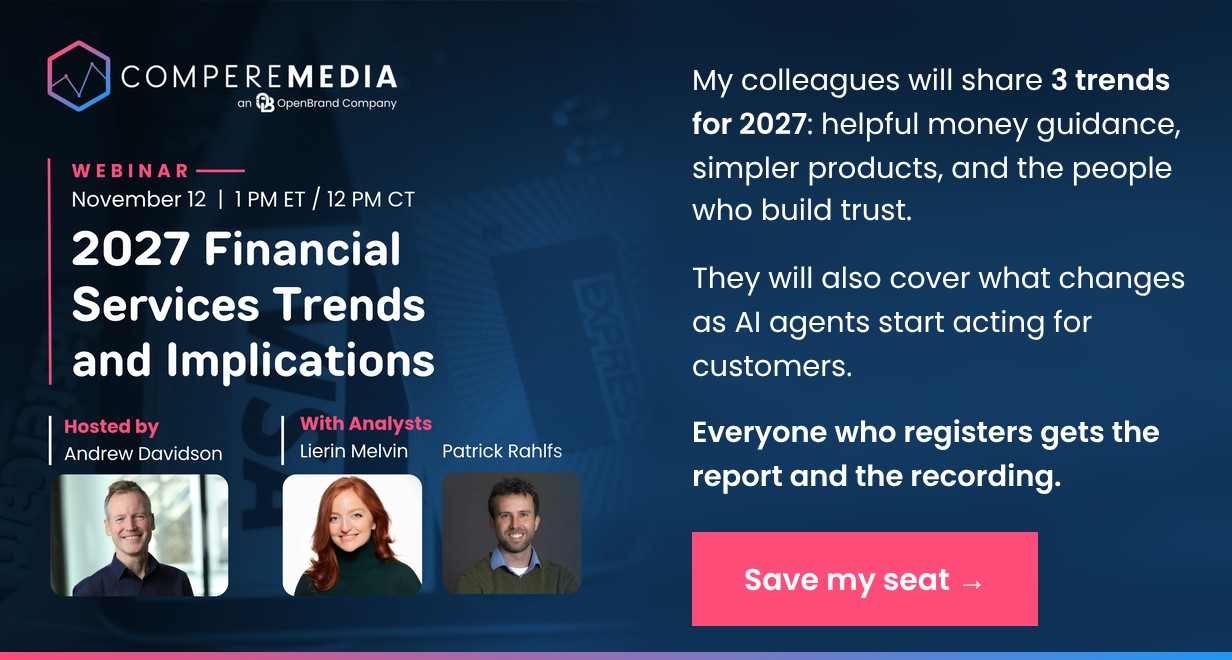
Webinar, November 12, 1 PM ET, 12 PM CT. 2027 Financial Services Trends and Implications. Hosted by Andrew Davidson, with analysts Lierin Melvin and Patrick Rahlfs. My colleagues will share 3 trends for 2027: helpful money guidance, simpler products, and the people who build trust. They will also cover what changes as AI agents start acting for customers. Everyone who registers gets the report and the recording. Save my seat.
As ever,
Anuj
Anuj Shahani
Anuj Shahani
EVP, Financial Services
anuj@openbrand.com·New York, NY
You are receiving this as part of a community of 17,000 financial services leaders building the industry’s future. Reply anytime. I read every response.
Forward this newsletter or sign a colleague up
Subscribe